
Trying to choose between an in-home board and train program and a traditional kennel-based option can feel confusing, especially when both promise fast results. Many dog owners don’t realize how different these experiences actually are until after training is complete. The environment where your dog learns plays a major role in how well obedience transfers to real life, which is why understanding the difference matters before committing your time and money.
In-home board and train dog training is designed to mirror the way dogs actually live with their families. Instead of learning behaviors in a controlled kennel setting, dogs practice obedience, manners, and calm behavior in a real household. This distinction often determines whether training simply looks good during pickup or truly works once your dog comes home.
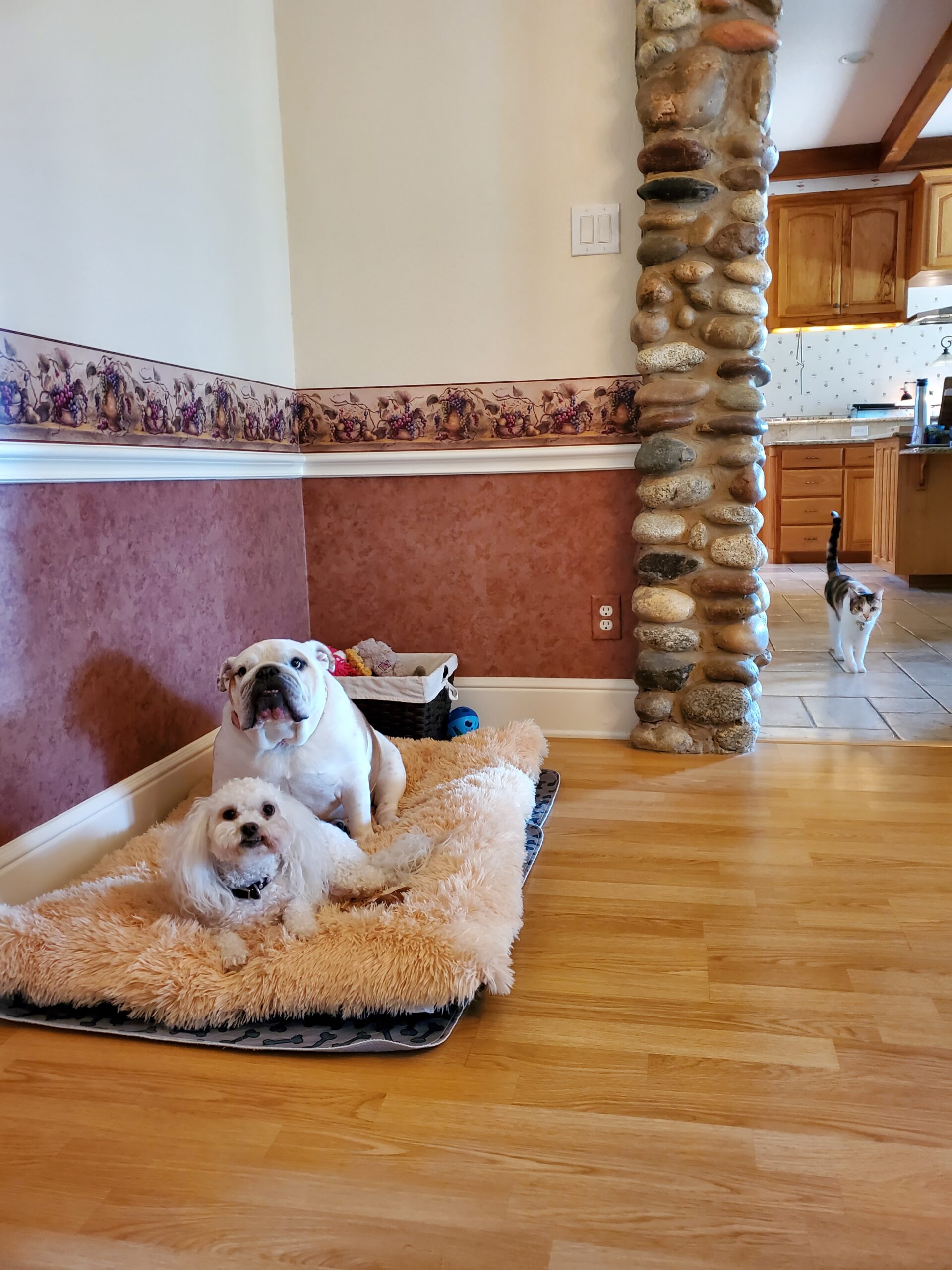
In an in-home board and train program, your dog lives in the home of professional trainers rather than a kennel facility. Training happens throughout the day during normal routines like mealtime, door greetings, walks, downtime, and play. This constant exposure to everyday situations helps dogs understand how obedience applies in real life, not just during scheduled sessions.
Commands such as sit, down, stay, come with auto-sit, heel with auto-sit, place, and break are practiced in the same types of environments dogs encounter at home. Manners like door boundaries, polite greetings, and calm indoor behavior are reinforced naturally as situations arise. Because training is woven into daily life, dogs learn how to respond consistently without becoming overstimulated.
This approach is especially effective for dogs that struggle with focus, impulse control, or anxiety, as it promotes calm structure instead of constant activity.
Kennel-based programs typically involve housing dogs in individual runs or crates inside a facility. Training is often delivered in short, scheduled sessions separated by long periods of downtime. While this setup can teach commands successfully, it limits how often dogs practice those skills in realistic environments.
Because kennel settings are controlled and predictable, dogs may perform well during demonstrations but struggle once distractions change. Door manners, household boundaries, and calm behavior around guests are harder to replicate in a kennel environment.
For some dogs, the noise and activity of a kennel can also increase stress or overstimulation, making it harder to build a relaxed mindset alongside obedience.
Dogs are contextual learners. This means they associate behaviors with the environment in which they are taught. In-home board and train dog training takes advantage of this by teaching dogs in settings that closely resemble their future daily life.
When dogs learn obedience in a home environment, the transition back to their owner’s house tends to be smoother. Skills like staying on place, waiting at doors, walking calmly through living spaces, and settling indoors transfer more easily because the context feels familiar.
Kennel-trained dogs often require an adjustment period once they return home, as they must relearn how commands apply outside of the training facility. This does not mean kennel training is ineffective, but it may require additional follow-up work to bridge the gap.
Another key difference lies in training methods. Many kennel programs rely heavily on treats to motivate dogs quickly during short sessions. While this can speed up initial learning, it may create dependence on rewards for compliance.
In-home board and train programs that emphasize leadership and communication often reduce reliance on food. Dogs learn how to respond because expectations are clear, not because they are anticipating a reward. This style of dog obedience training helps commands hold up when treats are not available, which is critical for real-world reliability.
Owners often notice that dogs trained this way respond more naturally during walks, outings, and daily routines.
In-home board and train programs typically provide around-the-clock care, as dogs live with trainers full time. This allows trainers to monitor behavior, adjust routines, and address issues as they occur rather than waiting for the next session.
Daily structure usually includes balanced periods of training, calm downtime, and supervised play. This helps prevent overstimulation and teaches dogs how to settle, an often-overlooked skill in obedience training.
Kennel programs may offer less individualized supervision outside of training sessions due to the number of dogs in care. While many facilities are well run, the level of personal attention can vary.
Most owners want training that lasts. They want obedience that works at home, on walks, and around guests without constant management. In-home board and train dog training often appeals to owners who value realistic learning and smoother transitions back home.
Owners also care about communication and support. Programs that include detailed handoffs, private owner lessons, and ongoing follow-up help ensure results don’t fade once training ends. Without owner education, even well-trained dogs can regress over time.
Cost is another factor, but value often comes from how much additional training is needed after the program. Training that transfers smoothly can save time, money, and frustration in the long run.
While environment is important, the experience and philosophy of the trainers matter just as much. Complete K9 Training is operated by a husband-and-wife team with decades of combined experience in animal behavior and professional dog training. This depth of knowledge allows training plans to be adjusted based on each dog’s temperament and needs.
The focus remains on clear communication, structure, and trust. Dogs are guided calmly rather than rushed through commands, helping obedience become a natural part of daily life.
If you’re looking for board and train dog training that prepares your dog for life at home instead of just a training facility, an in-home program offers clear advantages. For more support choosing the right approach, Complete K9 Training provides in-home dog training built around real routines, reliable obedience, and lasting results that make everyday life with your dog easier and more enjoyable.
Burleson, Texas | Serving Dallas-Fort Worth and Surrounding Areas
(682) 283-1770 | info@ck9training.com
Copyright © 2026 Complete K9 Training - All Rights Reserved.